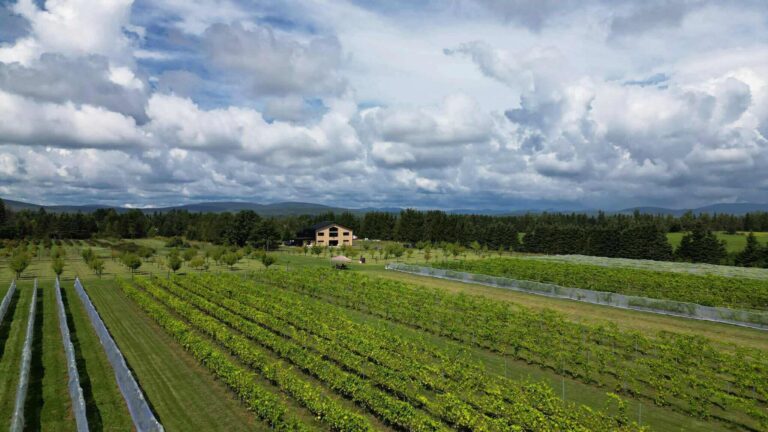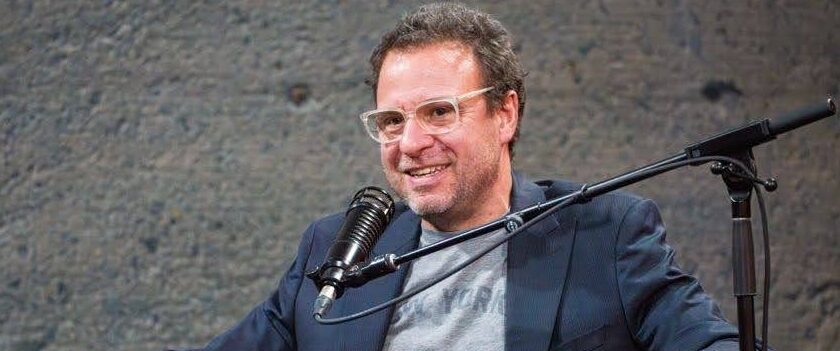
Chef Hugue Dufour is beginning a new chapter in his career right where it all started, in Quebec. After more than a decade spent pushing the boundaries of gastronomy in New York City, he’s chosen to settle in Baie-Saint-Paul, in the Charlevoix region, to build a culinary project that reflects who he is: free, grounded, and sincere.
Far from the spotlight of the Michelin Guide, Dufour now wants to “feed for real” with a cuisine that’s simple, straightforward, rooted in the terroir, yet still driven by the same bold creativity. His search for truth begins with a return to the land, a close connection with producers and a more human relationship with the people he feeds. He envisions a “little countryside bouchon”, where bar culture and simplicity take centre stage.
‘”I have this idea of a little bouchon, with a real bar culture,” Hugue says. “Here, it feels a bit sketchy to talk to your neighbour when you’re sitting alone at the bar. It can come off as creepy, but in New York, that’s totally normal. I love bar culture. I love the idea of someone showing up on a skidoo with a book, sitting down to eat some fries with something. I’m craving something more democratic.”
From his hometown of Alma to the bright lights of New York
Originally from Alma, in Quebec’s Lac-Saint-Jean region, Hugue Dufour grew up on a farm. It’s an environment that attuned him early on to the rhythm of the seasons and the realities of working the land. After studying culinary arts, he headed abroad to hone his craft, notably in France, before returning to Montréal, where he began to carve out a distinctive path in Quebec’s gastronomic landscape.
He trained under Normand Laprise, then became the right-hand man of Martin Picard, with whom he built a lasting professional and personal bond. Their dynamic — wildly creative and unapologetically indulgent — was captured in cult TV shows like Martin sur la route, where their unfiltered, curious and deeply generous approach to cooking took centre stage.
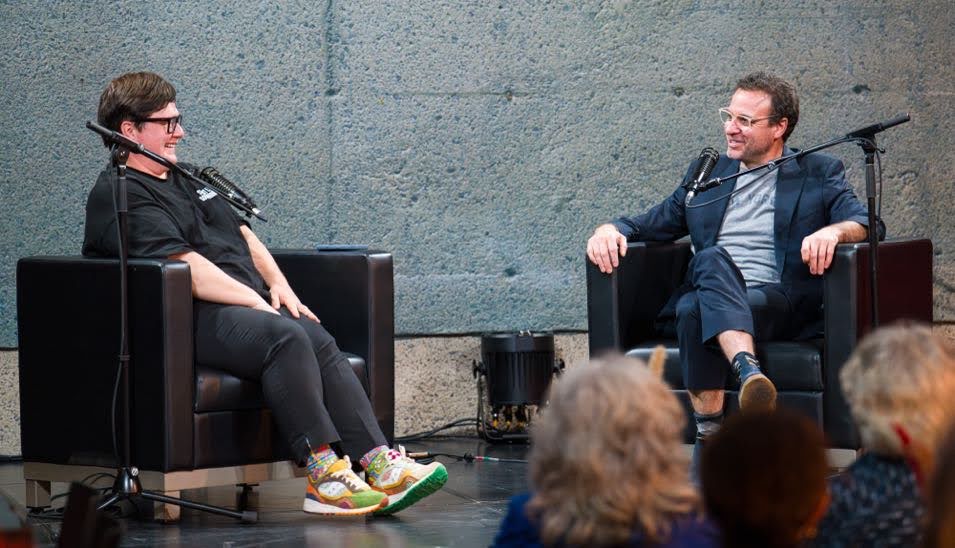
Later, at a culinary event in Orlando, Florida, Hugue crossed paths with Sarah Obraitis, who would become his partner in both life and business. And, as he puts it, his muse. Together, they decided to settle in New York, where they founded M. Wells (short for Magasin Wells), a bold and unconventional restaurant that quickly made waves on the city’s vibrant food scene. Their daughter, Crystal, was born just a few days before the opening of M. Wells Steakhouse.
Their success was meteoric. So much so that Hugue Dufour became the very first Quebec-born chef to earn a Michelin star. A recognition he received with a mix of pride and ambivalence. Honoured, of course, but also aware of the constraints that come with such a distinction.
Freedom found in the midst of a pandemic
Over time, Hugue’s cuisine in New York became increasingly bold, unfiltered and aligned with the city’s frenetic energy. But, when the pandemic hit, it changed everything. While it deeply shook the restaurant industry, it also offered him a much-needed pause, a moment to reflect and re-evaluate what truly mattered.
“We were doing everything. Selling wine, acting like a wine shop, selling dog food, doing takeout. We did everything and we stopped celebrating the Michelin star. When we reopened, we kept that same spirit. It was freeing. For two or three years, there were no complainers, everyone was kind. But the second you have a star, the expectations come back. That star, it’s like a brick.”
This need for simplicity, connection, and spontaneity led him to dream of returning to Quebec. Not to escape, but to reconnect with his roots, both human and culinary.
Baie-Saint-Paul: A New Chapter
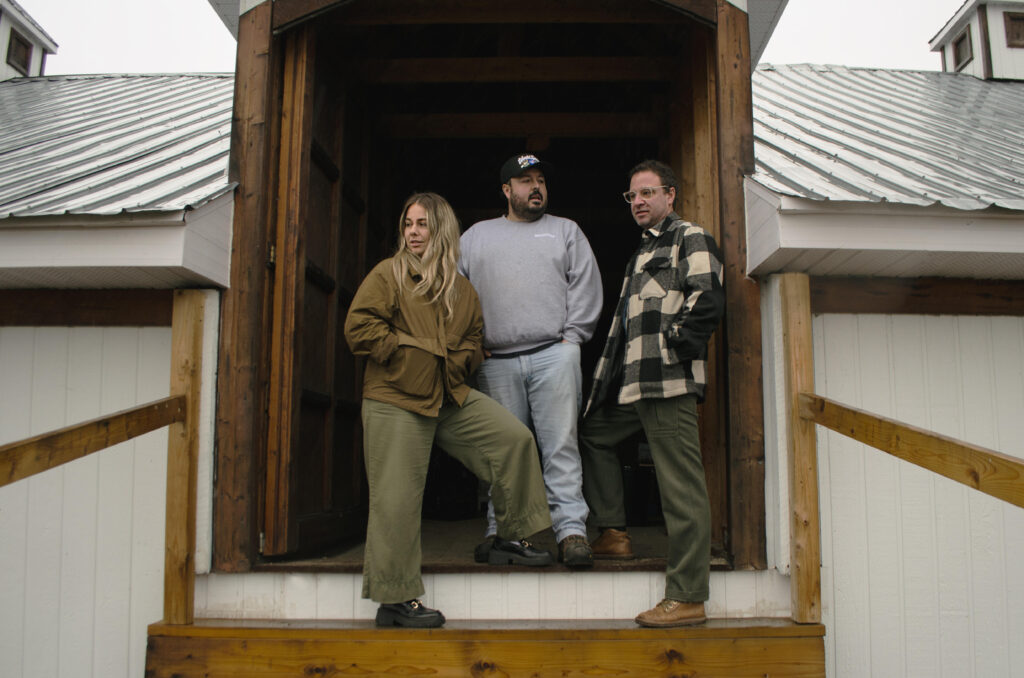
Hugue and Sarah had long dreamed of returning to Quebec, but the logistics of New York life always made it complicated. The closure of their restaurant — coupled with the unique circumstances of the past few years — finally created the right conditions to make that dream a reality.
They chose to settle in Baie-Saint-Paul with their daughter Crystal, a decision partly shaped by their close bond with Madeleine and Alexandre Dufour of Famille Migneron, renowned cheesemakers and distillers from the region. “We’re kind of second cousins from the left butt cheek,” Hugue jokes, with typical irreverence.
This new chapter will be written through a cuisine that is simple, honest and deeply local (yet always inventive!), fuelled by a vision that’s entirely his own. His cooking, he insists, must remain free, unfiltered and deeply personal.
“I remember as a kid thinking pineapples grew in the Laurentian forest like they were part of our terroir,” he laughs referring to the fruit as part of what he calls his “intellectual terroir”.
Far from static folklore or nostalgic clichés, Hugue embraces a living, evolving vision of terroir. It’s one shaped by imagination, storytelling and meaningful encounters.
In Baie-Saint-Paul, he plans to work hand in hand with local producers, not out of obligation, but out of genuine affinity. His food will reflect this ongoing dialogue with the Charlevoix landscape, a cuisine rooted in respect, listening and creativity.